Why It Matters
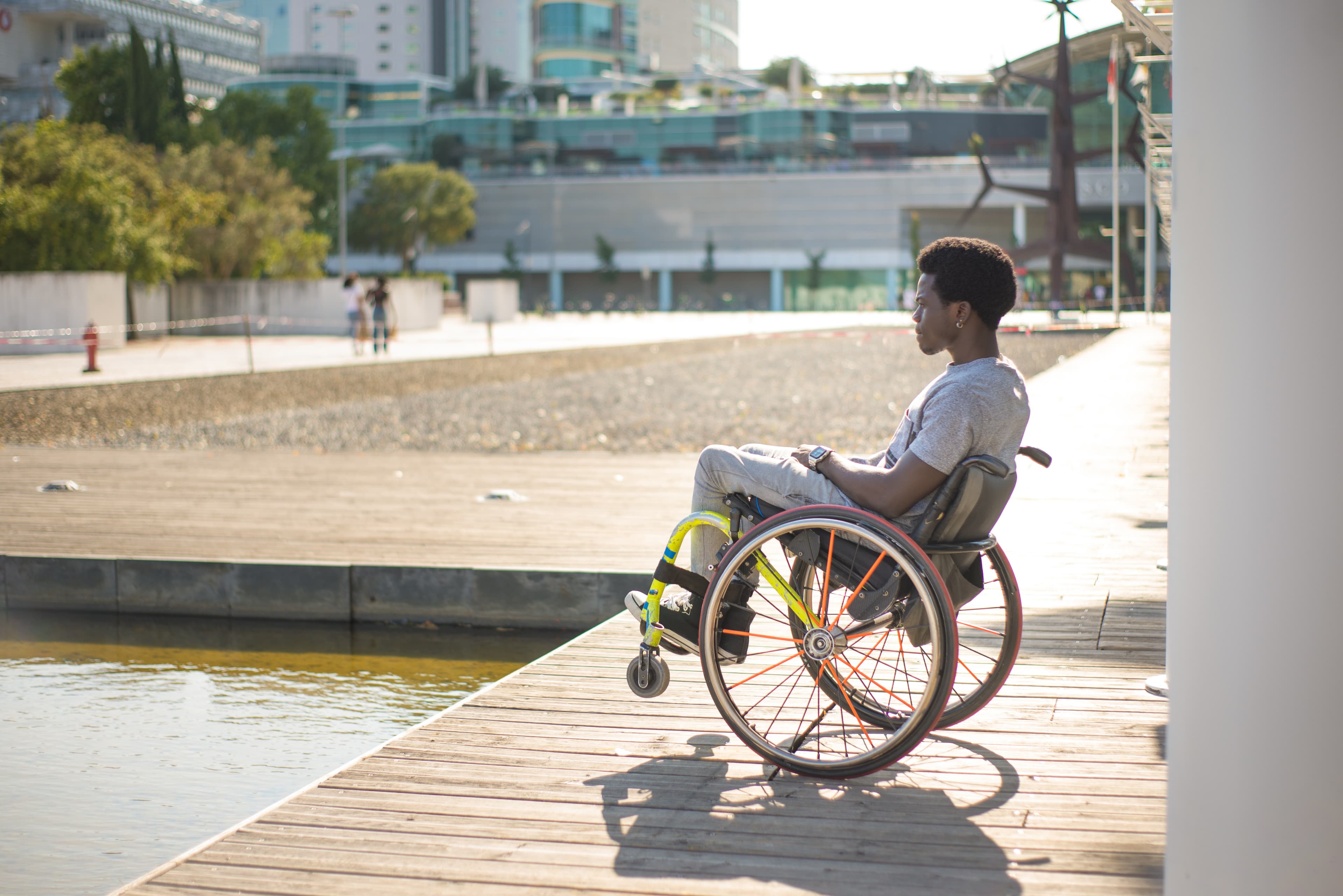
Kenya's Mobility Crisis
4.44 million Kenyans live with disabilities (10% of the population). 1.16 million face mobility challenges that limit access to education, employment, healthcare, and social participation.
66% of disabled people live in rural areas where infrastructure barriers are most severe: unpaved roads, absent ramps, inaccessible buildings.
Infrastructure Barriers
- Public buildings lack accessible entrances and facilities
- Public transport and stations remain largely inaccessible
- Rough roads and absent sidewalks make manual navigation exhausting
- Schools and workplaces lack basic accessibility modifications
Economic Disparities
Persons with mobility disabilities face significantly higher poverty rates—nearly twice as likely to live in poverty compared to those without disabilities. In Kenya, this economic disadvantage is compounded by limited employment opportunities and additional costs associated with disability.
The need for chaperones creates a multiplier effect on economic challenges. Many persons with mobility disabilities require assistance for daily activities, medical appointments, and transportation, leading to additional expenses for personal care attendants or family member compensation. This dependency further reduces economic empowerment and limits employment opportunities.
Intersectional Vulnerabilities
Women with disabilities face compounded risks: 83% lifetime sexual abuse risk, 40–68% of girls face abuse before 18, and 59% of incidents go unreported due to access barriers.
Economic dependency, limited mobility, and inaccessible services increase vulnerability and reduce reporting.
Environmental Challenge
Kenya generated 53,559 tonnes of e-waste in 2024; only 5–15% is formally recycled. Valuable lithium, cobalt, and rare earths end up in landfills, contaminating soil and water.
This is also an opportunity: recycled components can power affordable, sustainable mobility.